Where can you see a platypus in Australia? The short answer: they’re most often found in quiet, freshwater rivers and creeks in eastern Australia and Tasmania, especially at those magical times of day — when the sun is just starting to rise or heading down towards sunset – in places like the Atherton Tablelands, the rivers around Cradle Mountain, or the waterways in Victoria’s Great Otway National Park and East Gippsland.
Okay, so I’ll be honest with you – spotting these wild platypus creatures isn’t exactly like seeing Eastern Grey Kangaroos hopping around in the underbrush beside the road. These little guys are super shy, mostly come out at night, and prefer calm waterways a bit off the beaten path. But with some patience, the right spot to watch, and maybe a nice thermos of billy tea to keep you company while you wait by the water, you’ve got a pretty good chance.
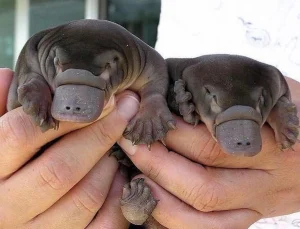
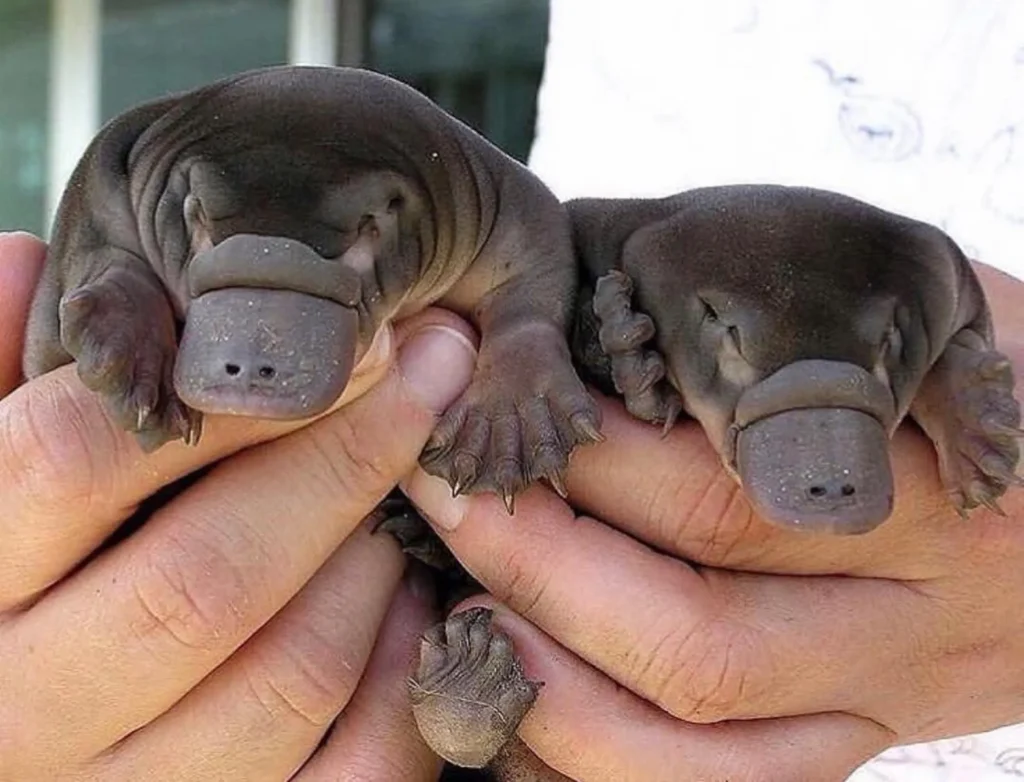
The first time I ever saw one was near a quiet little creek in Tasmania. I’d been sitting there for twenty minutes, swatting at those bloody mozzies, when the water started to ripple, and up came a small bill before it just slipped back under again. That was my first glimpse of Ornithorynchus anatinus – the scientific name for a platypus – and that moment barely lasted 5 seconds. That pretty much sums up platypus watching in a nutshell.
Rivers And Waterways Where This Animal Still Thrives
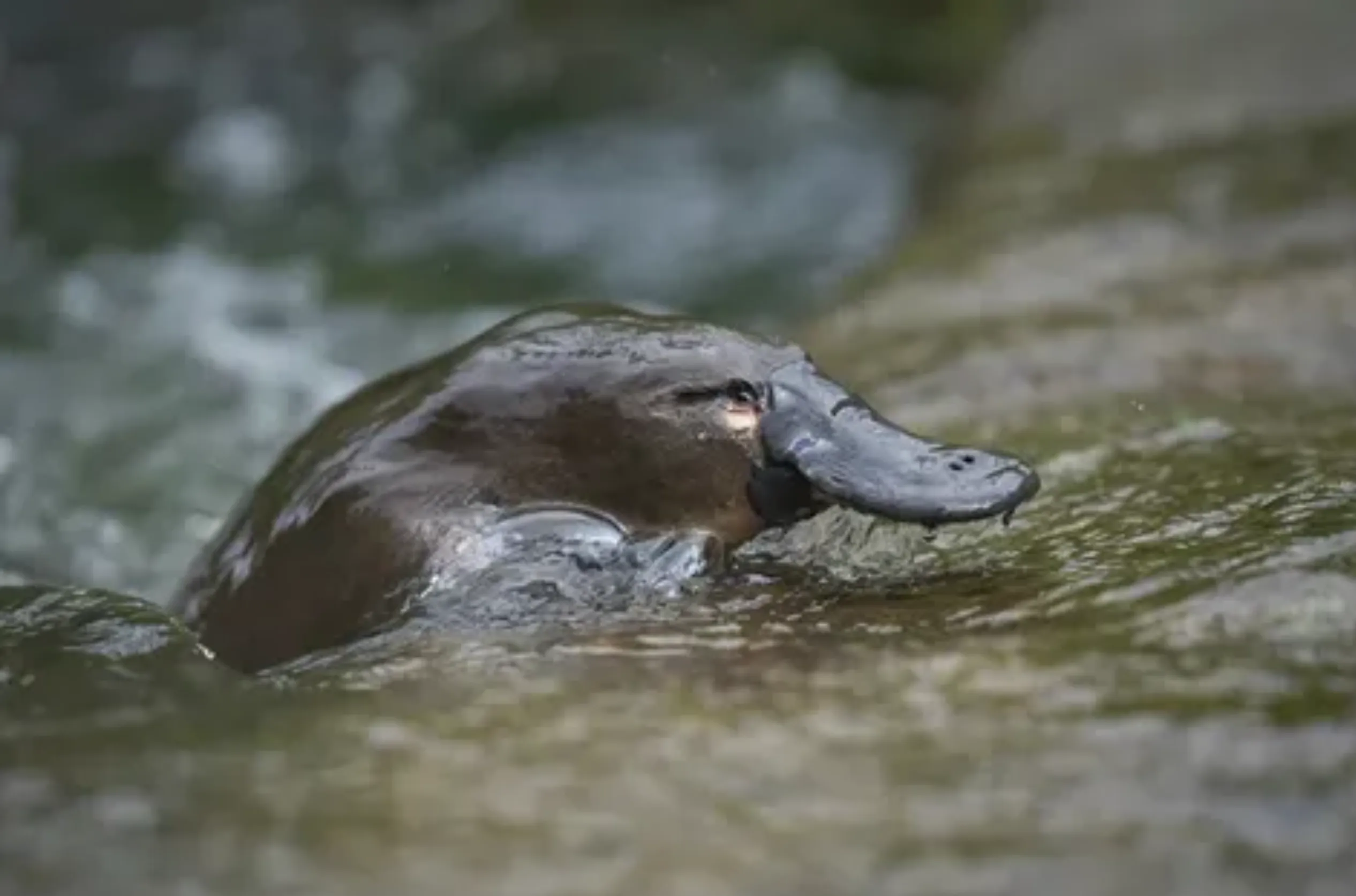
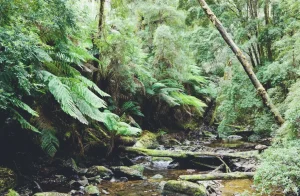
First of all, platypuses live in freshwater systems in eastern Australia and Tasmania – they prefer rivers that are nice and cool, shaded creeks, and still pools – the kind of places where the banks are stable enough to dig their burrows.
Their favourite spots often include the slow river bends, natural lakes, weir pools, and even the quieter irrigation channels where there are loads of aquatic insects.
These animals are absolute hunters. While they’re swimming underwater, they close their eyes and ears and rely on the electroreceptors in their bill to detect the tiny electric pulses that prey emit. A typical feeding dive involves them going back and forth to the bottom of the river, over and over – each dive lasting 20–60 seconds while the platypus is searching the riverbed for insects, worms and caddis-fly larvae.
Habitat Overview
| Region | Chance Of Spotting | Typical Habitat |
|---|---|---|
| Tasmania | Very high | Cold streams, lakes, tannin-stained rivers |
| Victoria | High | Forest rivers and mountain creeks |
| New South Wales | Moderate | Quiet river bends and pools |
| Queensland | Moderate | Rainforest streams |
| South Australia | Rare | Introduced populations only |
Locations Known For Reliable Sightings
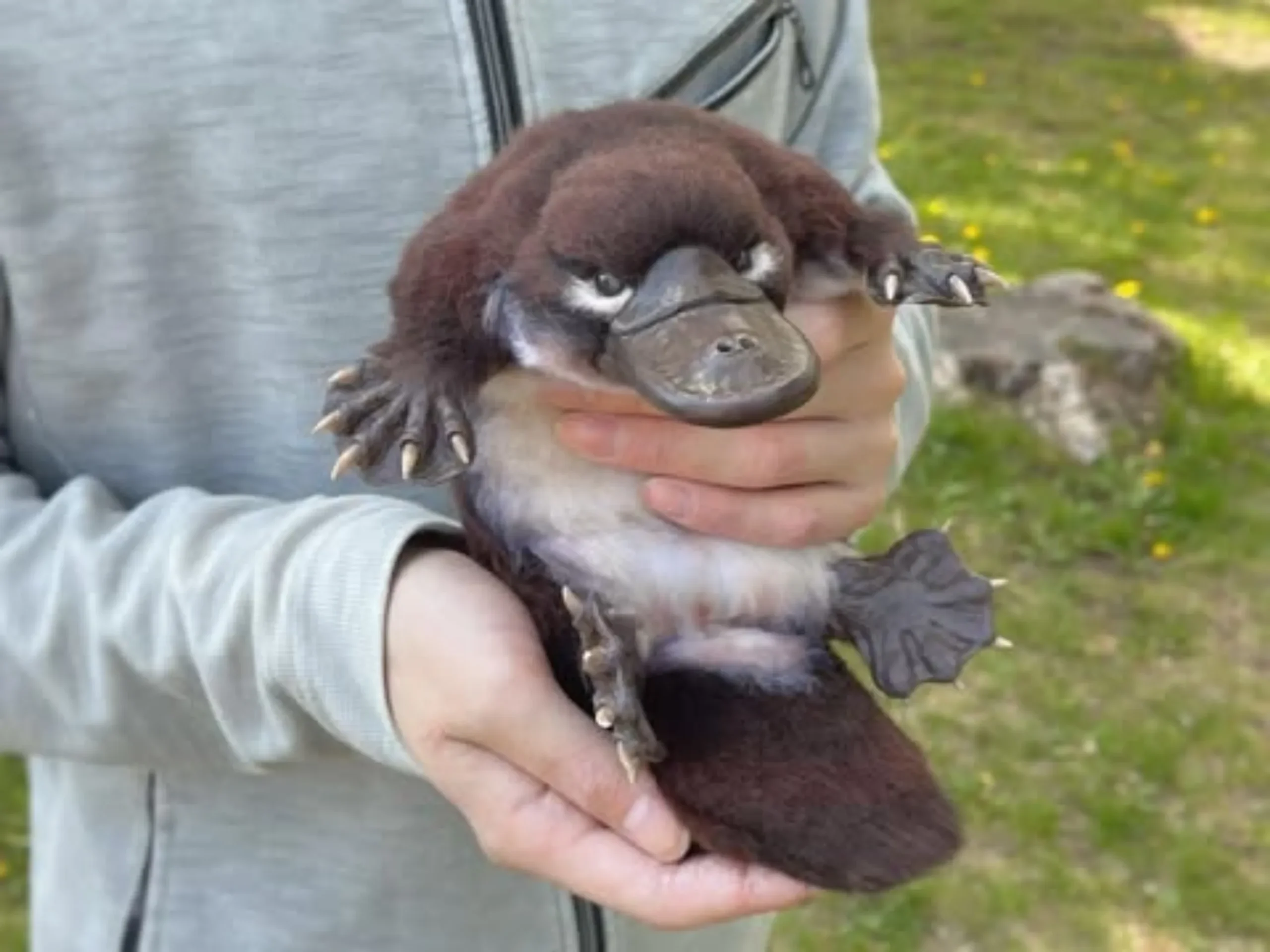
Some places across Australia are just about guaranteed to have platypus sightings – it’s all down to having decent waterways, not too much disturbance, and a strong hands-on management approach to conservation.
The Atherton Tablelands, Queensland
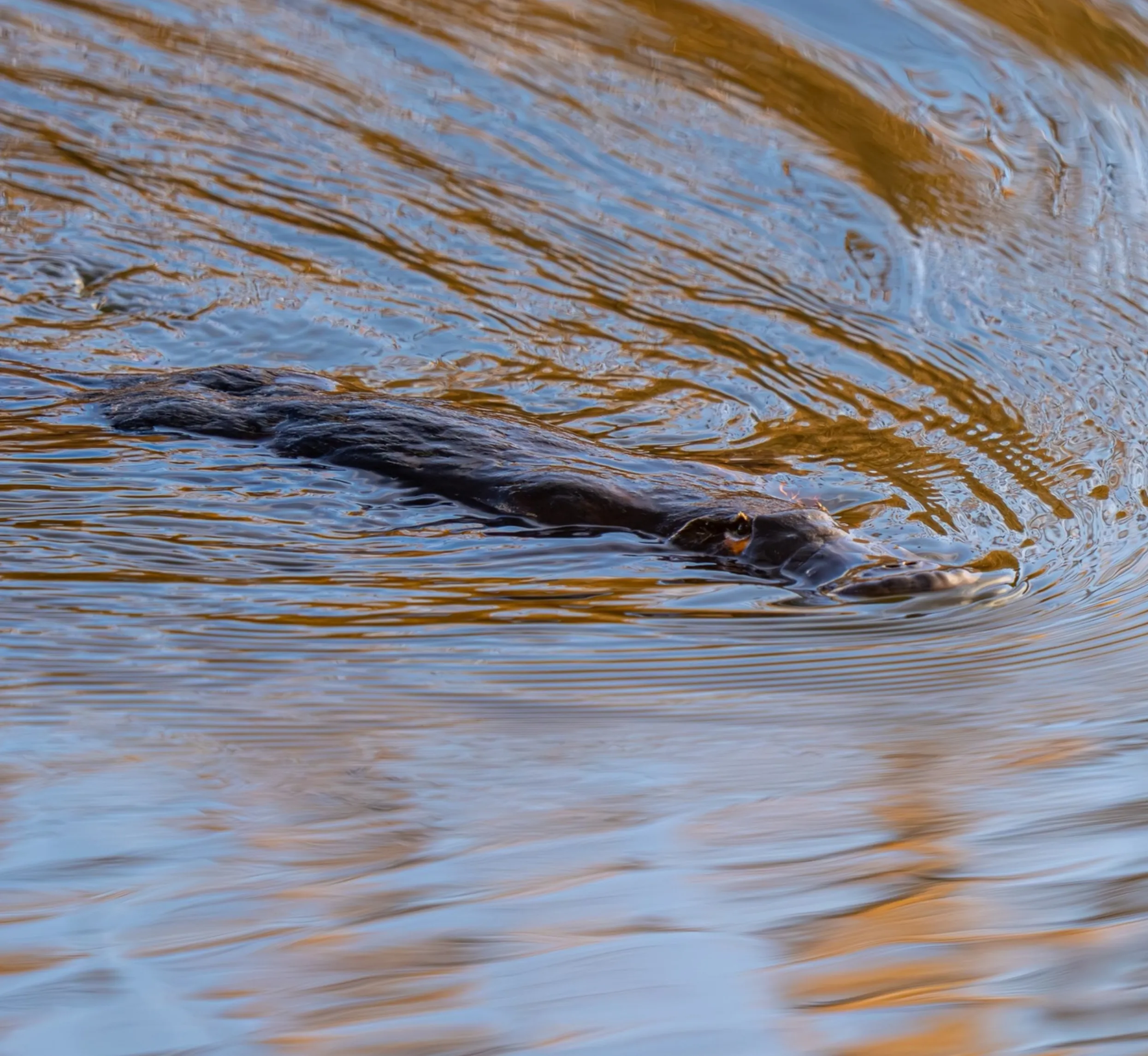
The Atherton Tablelands, just west of Cairns, are the most reliable mainland spots to catch a glimpse of a platypus in the wild. The rainforest streams here stay nice and cool year-round, which makes for some great feeding ground.
The most popular spot to check out is the viewing platform near Peterson Creek in Yungaburra – it’s a real hotspot for platypus action in the late afternoon. If you’re there just before sunset, your chances of spotting one are a lot higher. And when the water is flat calm, you might notice the water ripple when a platypus pops up to breathe.
Tasmania’s High Country Rivers And Lakes
If you want to see a platypus, Tasmania is probably your best bet. The island’s cold mountain rivers and protected forests are the perfect recipe for a strong platypus population.
Some of the most reliable waterways to check out include the Mersey River, the River Leven, and streams flowing from Cradle Mountain and Mount Field National Park. There are a few well-known spots where wildlife enthusiasts like to hang out:
- Platypus Flat on the Mersey River
- Tasmanian Arboretum, where there’s a pretty good chance of spotting one in the lake
- Fern Glade Reserve near Burnie
- Emu Valley Rhododendron Garden, where the streams are a good spot to see them
The River Leven near Gunns Plains looks pretty dark brown from all the natural tannins in the water.
Despite the colour, it’s actually a pretty good spot to see platypus, as the water is full of insects.
Victoria’s Forest Rivers And Mountain Streams
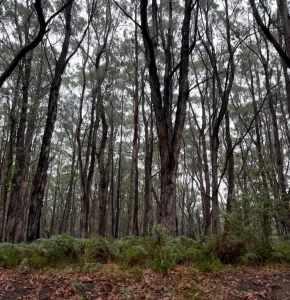
In Victoria, platypus are pretty common in forest rivers, especially if the area is pretty quiet.
The Otways region is one of the best places to try, especially around Lake Elizabeth, which is hidden away in Great Otway National Park. There’s a good chance of spotting one there. You can sometimes go on guided wildlife walks at dawn, when platypus are most active along the lake shore. The forest around the lake is a great shelter for them, and the lake itself is full of insects for them to munch on.
Further east, the rivers in East Gippsland have stable platypus populations.
New South Wales Creek Systems
New South Wales has loads of platypus waterways, especially in upland forests and cooler mountain regions.
Some good spots to check out include rivers in the Southern Highlands, streams around the Bombala River, and creeks along Delegate Road in the state’s far south. You should also check out the river near the Nymboida Coaching Station Inn – it’s a spot where platypus have been spotted for ages.
The rivers in this area often have shaded banks and slow pools where platypus can forage around the bottom.
Protected Areas With Good Sightings
Some conservation areas across Australia actively help to protect platypus habitats.
Places that are worth visiting for good snag – I mean, spotted – include:
- Mountain Valley Private Nature Reserve
- Platypus Reserve in Tasmania
- Founders Lake in regional Victoria
These protected areas usually have stable creeks and small lakes where platypus can feed without being disturbed.
When Activity Peaks During The Day
Platypus tend to be most active when the light starts to fade.
Best viewing windows are:
- At Sunrise – try to get out there in the first couple of hours of daylight
- Just before Sunset – the last couple of hours before it gets dark are your best bet
When they’re feeding, they keep popping down to the riverbed to grab a snack, then breaking the surface for a quick breath before doing it all again.
Sometimes on calm days, you can see a bit of a pattern playing out: a tiny ripple on the water, a brief pause at the surface, then another dive. They keep moving slowly along the river, and this feeding cycle goes on for ages.
If the water is completely flat, even the tiniest disturbance becomes visible.
Practical Advice For Observing Wildlife Along Rivers
Spending time with a significant other takes a bit of patience and a good understanding of the bush.
Spotting Checklist
Bring:
- Binoculars
- Insect repellent (mozzies love riverbanks)
- Neutral-coloured clothing
- Patience
Do this:
- Sit quietly beside the water
- Scan the surface for ripples
- Watch for repeated dive patterns
Avoid:
- Loud talking
- Sudden movement
- Splashing near the riverbank
Platypus are extremely sensitive to disturbance. If you stomp around like a road train rolling through a campsite, they’ll vanish.
Environmental Pressures Affecting River Wildlife
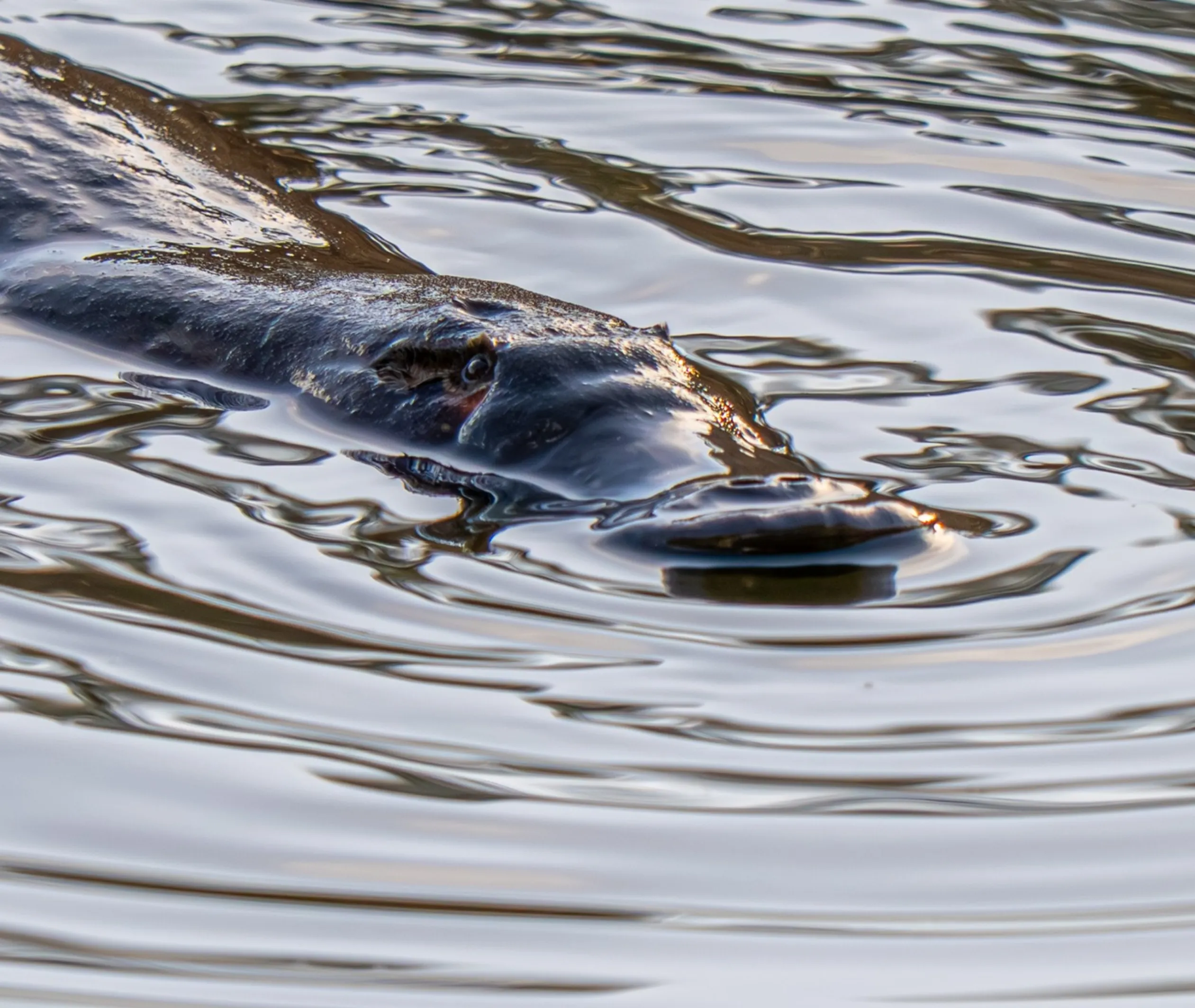
Sadly, platypus populations in mainland Australia have taken a bit of a hit due to significant environmental changes.
Some of the major threats include messing with the river, drought, fishing nets, and urban sprawl that’s choking waterways. Platypus need stable riverbanks and healthy aquatic ecosystems to survive, so any disruption to that can have a real impact on their numbers.
Protecting the rivers, wetlands and forest catchments is crucial to keeping platypus numbers up in Australia.
Final Thoughts From The Riverbank
Seeing a platypus in the wild is less about ticking off a wildlife bucket list and more about getting to see one of Australia’s most weird and wonderful evolutionary experiments up close.
If you want a good chance at spotting one, head for Tasmania, the Atherton Tablelands, or some of the forest rivers in the Great Otway National Park and East Gippsland. And the earlier you get there, the better – they’re early risers. Just be quiet, watch the water carefully and see if you can spot one.
Loads of people have spotted the moment of a lifetime on an Australian wildlife tour with Wildlife Tours, where the guides know the creeks, lakes, and river bends where wildlife still thrives.
FAQ
Are platypuses difficult to see in the wild?
Yes, they are. Platypuses are pretty shy, mostly active in the early morning and late afternoon, and only surface briefly while feeding.
What months are best for platypus sightings?
You can see them year-round, but calm conditions in spring and autumn are usually the best times to spot one.
What do platypuses eat?
Their diet is pretty simple: aquatic insects, worms, freshwater crustaceans, and caddisfly larvae. They get all that while foraging underwater.
Are platypuses related to ducks or beavers?
Nope, not at all. The platypus is a bit of a weirdo – it’s a monotreme, which means it’s an egg-laying mammal – and its scientific name is Ornithorynchus anatinus.
What other animals share platypus rivers?
You might see rakali (Hydromys chrysogaster), freshwater fish, turtles and waterbirds hanging out in the same waterways.